

One Cat Sparked a Rescue Mission at the Napanoch Walmart |
How a deaf cat led local residents to discover, treat, and rehome dozens of cats in Ulster County |
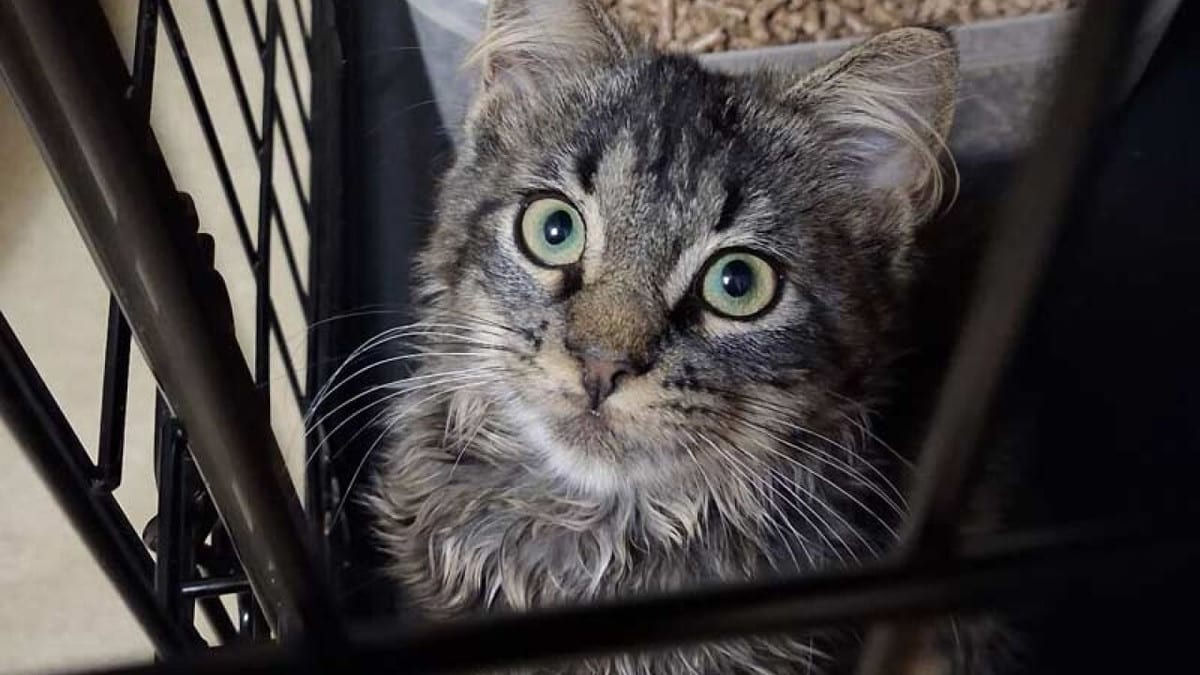
What began with one collared cat in the Napanoch Walmart parking lot turned into a months-long rescue effort involving dozens of animals. Grahamsville residents Angela and Jacob Edwards first went to the property after seeing a lost-pet post and soon discovered that the cat they were trying to help was deaf and living among a much larger colony. The full story was first reported by the Shawangunk Journal.
One Cat Leads to Many
The deaf cat was especially vulnerable because he did not react when cars moved or doors slammed nearby. After roughly four months of trying to safely trap him, the Edwardses finally succeeded and brought him to the Ulster County SPCA, where staff found a microchip and contacted his former owners. He was ultimately adopted by a member of the SPCA staff.
That first rescue exposed a much larger problem. Angela realized that many more stray and feral cats were living around the parking lot, including kittens, injured adults, and cats that appeared to have once been household pets. What started as one rescue quickly became a sustained effort to trap, treat, socialize, and rehome as many of them as possible.
Medical Care and Second Chances
Angela and Jacob teamed up with Dawn Melamed of Hurley Veterinary Hospital to help coordinate care. The work included trapping cats, arranging spay and neuter services, treating infections and injuries, and finding foster or permanent homes when possible. It required money, transportation, time, and a great deal of patience.
One of the most serious cases involved a cat the rescuers named Tiny Tim, who was found with a badly injured leg. The group raised nearly $2,000 for veterinary care, and Tiny Tim eventually underwent a leg amputation before going to live with Melamed. Another cat, Rusty, was found thin, wet, limping, and suffering from an infection that required treatment.
The Hardest Part: Earning Trust
Some of the adult cats were deeply fearful of people and could not simply be placed into homes. One cat named Tuna repeatedly avoided traps before finally being caught with a can of tuna, and his rehabilitation became a slow process of helping him associate people with food, safety, and calm surroundings. Over time, he reportedly became comfortable enough to stop running whenever Melamed made eye contact with him.
That kind of progress can take months, especially with cats that have spent most of their lives outdoors. The rescue effort was never just about removing cats from a parking lot; it was about giving each animal the kind of help it actually needed. For some, that meant medical care, while for others it meant socialization before adoption could even be considered.
A Rescue Effort Still Underway
By the time the story was reported on October 1, many cats had already been rehomed and all of the known kittens had reportedly been trapped. Angela estimated that roughly 10 adult cats remained, many of them experienced feral cats that had become difficult to catch. The group also faced complications involving private property, neighborhood concerns, and limited access to spay and neuter appointments.
Even with those obstacles, the rescuers continued fundraising and working with neighbors to find ways forward. Their experience shows how complicated community-cat rescue can become when animal welfare, veterinary capacity, private property, and local concerns all intersect.
What Ulster County Readers Can Take From It
The Napanoch rescue is a strong reminder of the value of microchipping pets, spaying and neutering, and contacting established animal-welfare organizations when abandoned or stray animals are found. Residents who want to support local animal rescue can also volunteer, foster, donate supplies, or contribute toward veterinary expenses through organizations such as the Ulster County SPCA.
What started with one deaf cat became a community rescue effort that helped dozens of animals receive care and new homes. It is a powerful example of how one person noticing one vulnerable animal can uncover a much larger need—and how persistence can turn that concern into real results. |



0 Comments
Join the conversation
Be the first to comment
Share your thoughts above.